Discover Saint Kitts & Nevis
Prior to European colonisation, the islands were inhabited by the Kalinago and Taino peoples. In the 1620s, English and French settlers arrived, marking the beginning of non-native settlement and displacing the indigenous population.
The islands’ history of French and English colonisation has significantly influenced Kittitian and Nevisian culture. Today, the population is primarily of Afro-Caribbean descent, a legacy of the transatlantic slave trade that was abolished in the 1800s. In addition to the Afro-Caribbean majority, there are smaller communities of European, East Indian, and Sino descent. The official language of the Federation of Saint Kitts and Nevis is English.
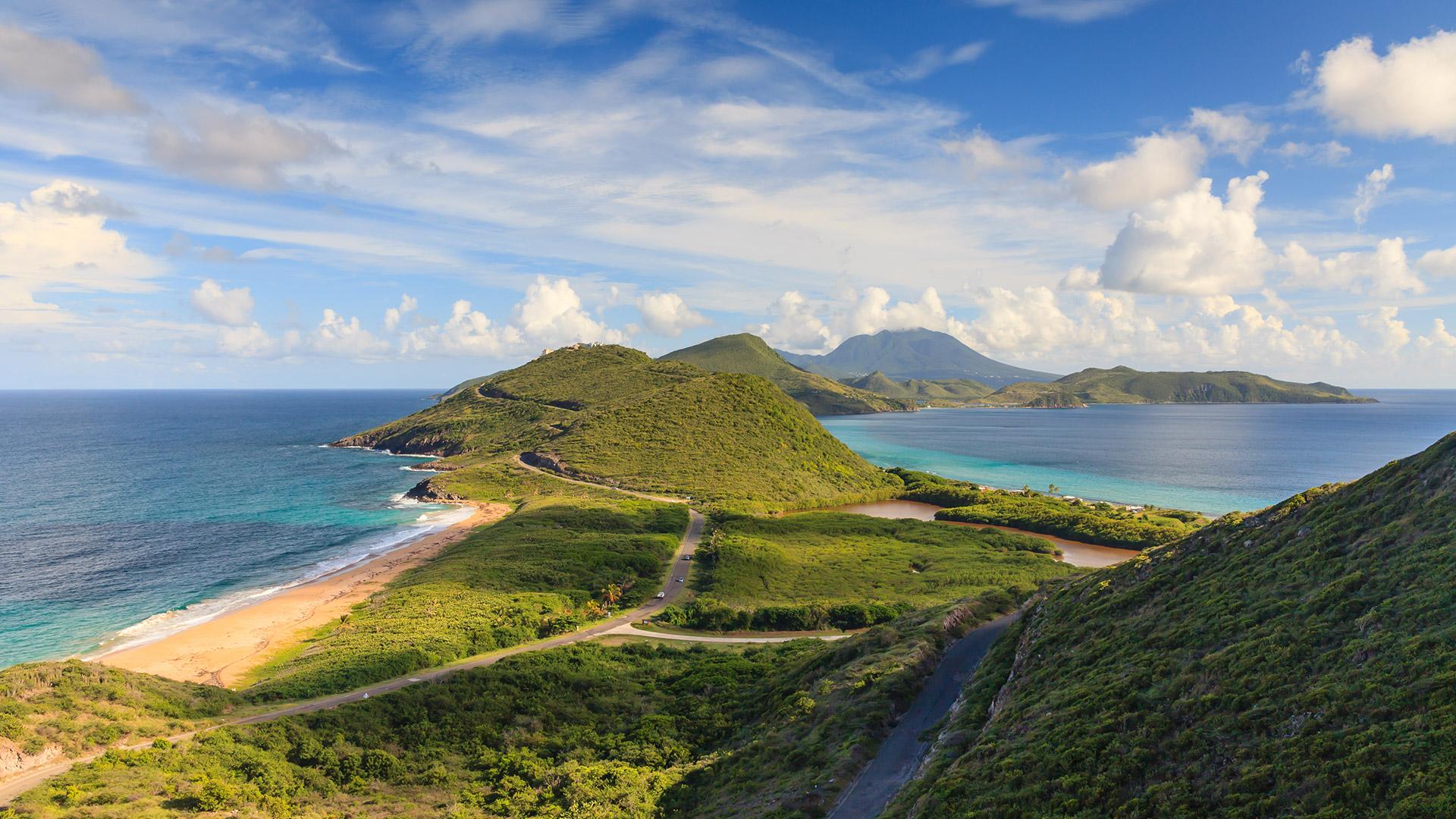
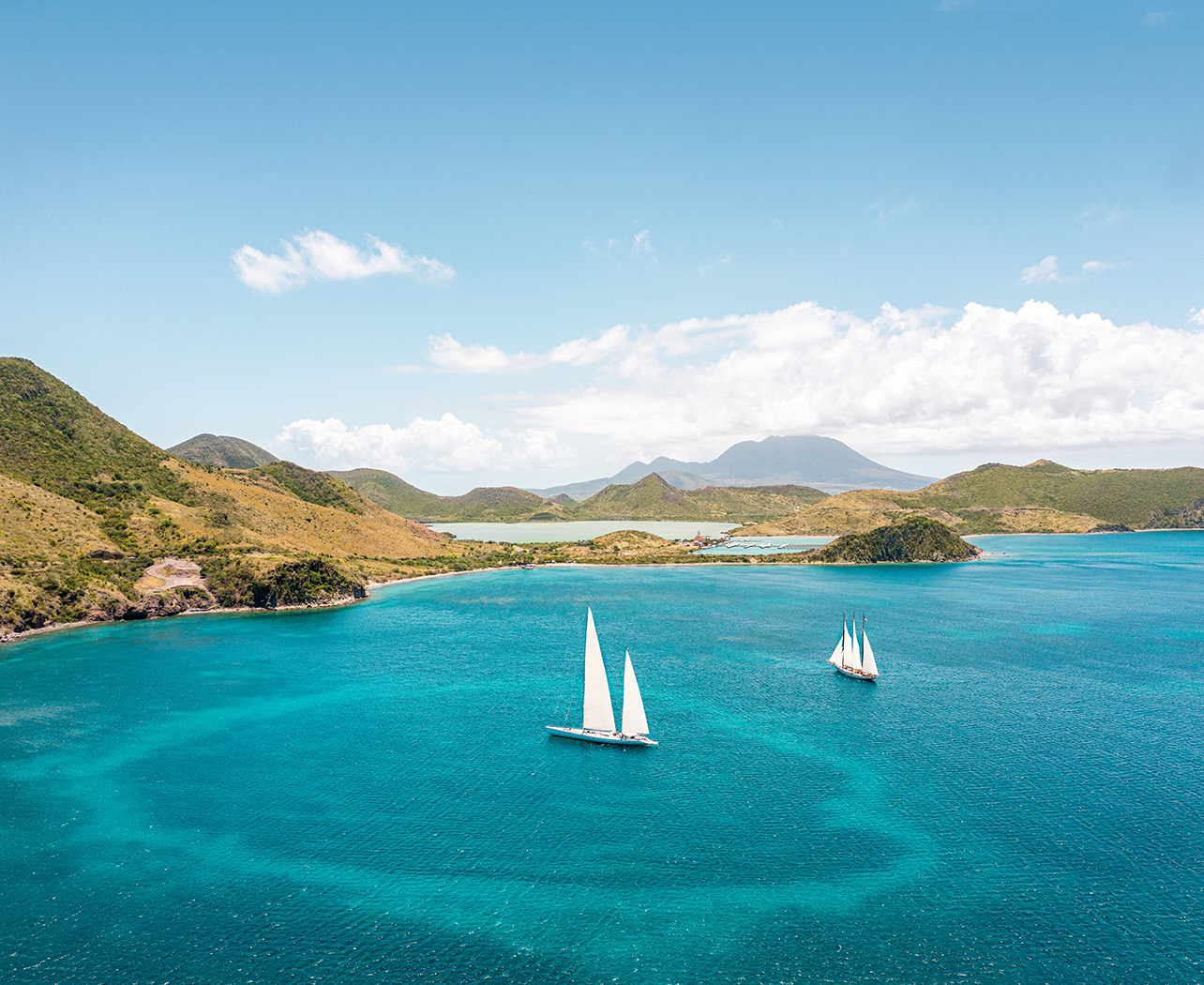
Saint Kitts and Nevis, a small, dual-island nation, is located in the Northen Leeward chain of the Eastern Caribbean Sea. Covering a total land area of approximately 270 square kilometres (104 square miles), it is one of the smallest countries in the Americas.
The islands enjoy a tropical maritime climate which is characterised by warm, relatively consistent temperatures year-round. The dry season typically runs from January to April, while the wet season extends from May to December.
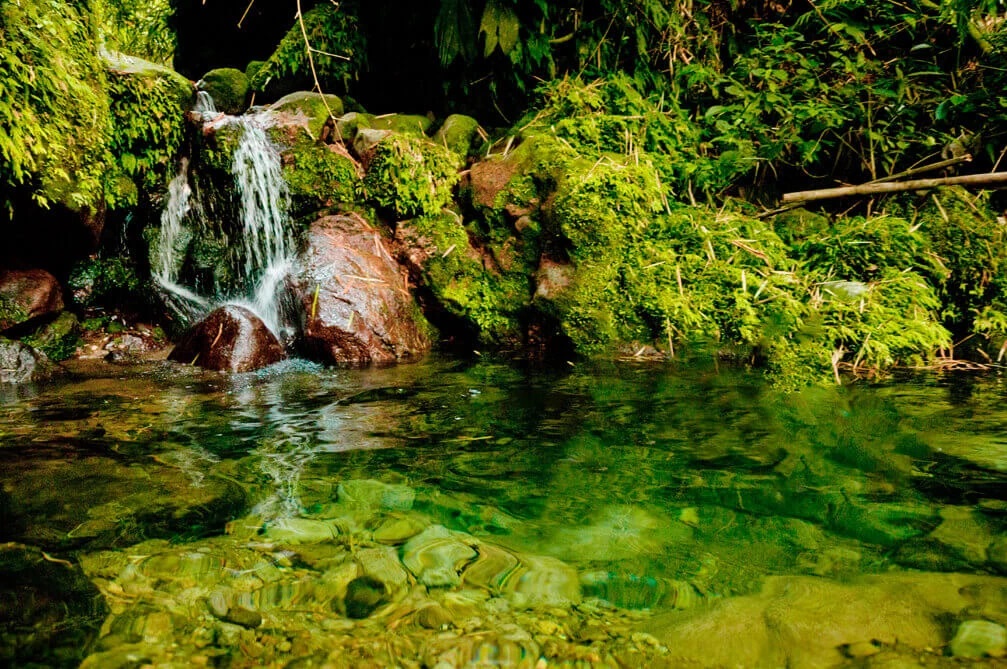
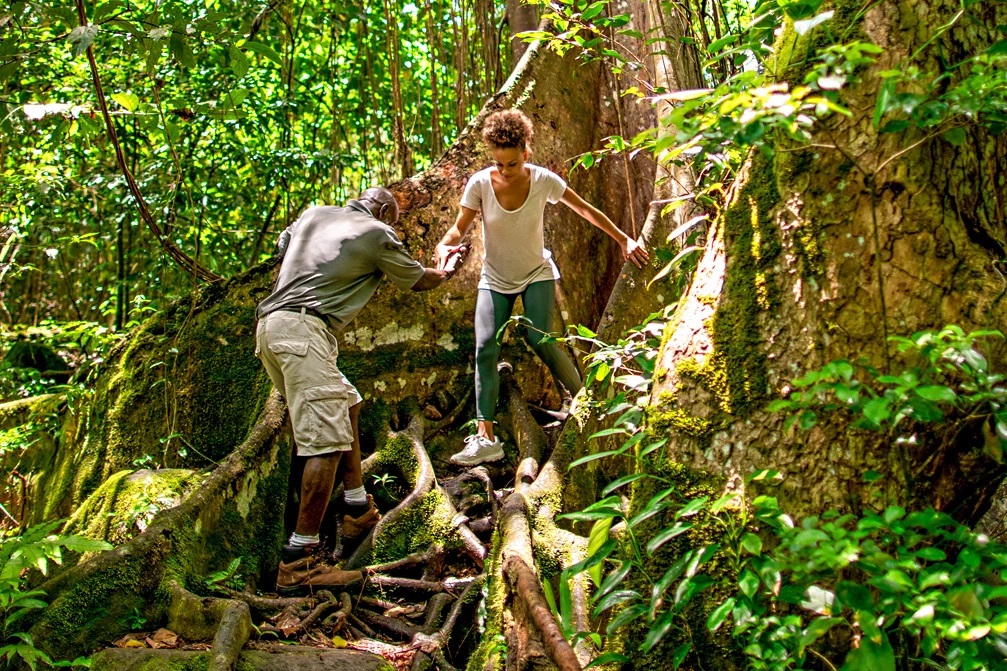
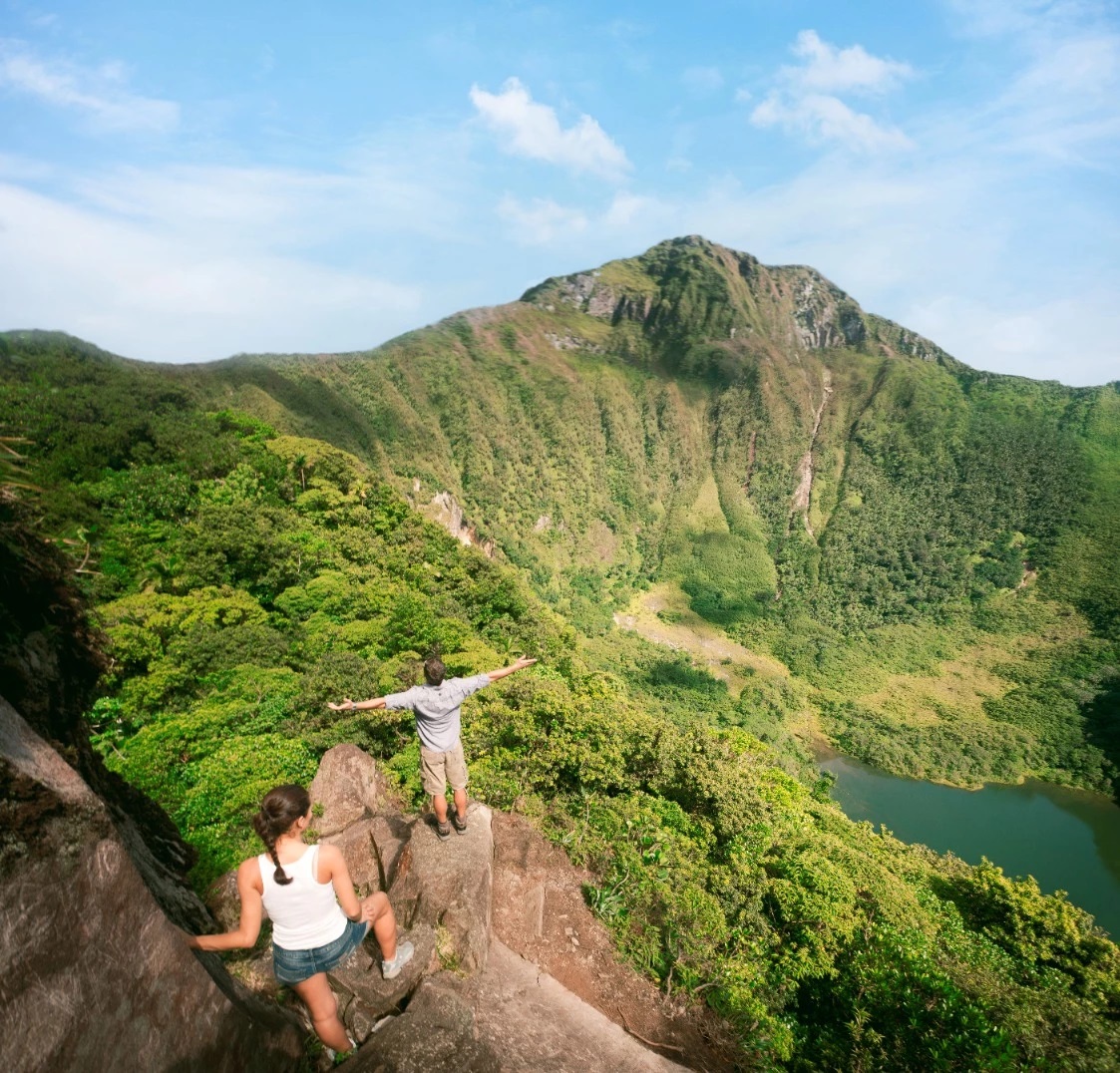
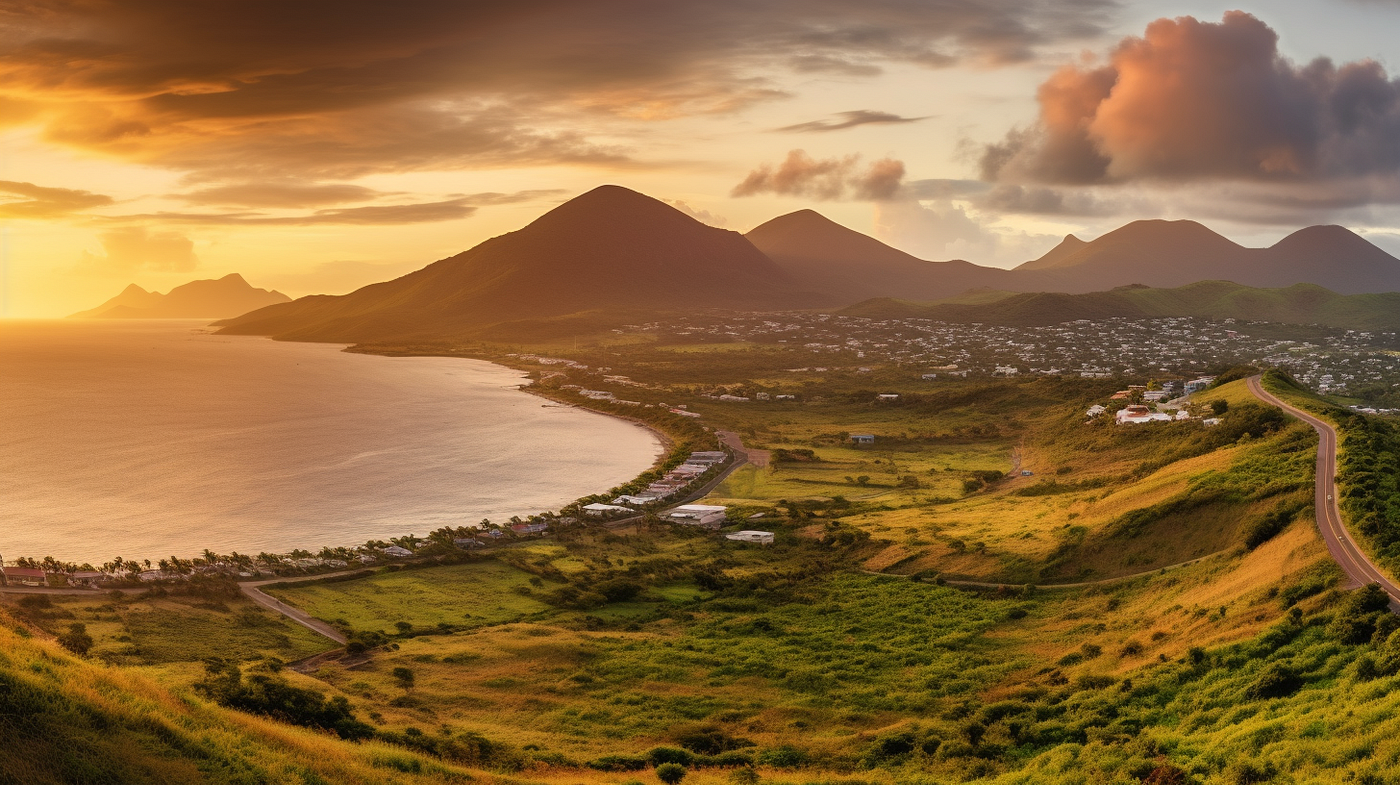
The terrain of Saint Kitts and Nevis is predominantly volcanic, featuring mountainous interiors and fertile coastal plains. Saint Kitts is dominated by a central mountain range, while Nevis is characterized by a single, dormant volcano, Mount Nevis. Lush rainforests cover much of the mountainous areas.
The natural resources of the nation include arable land, sandy beaches, and fisheries. The islands also have potential for geothermal energy, given their volcanic nature. The country’s greatest resource is its friendly, vivacious and innovative people.
Natural hazards in Saint Kitts and Nevis primarily consist of hurricanes, tropical storms, and occasional earthquakes. Coastal areas are vulnerable to storm surges and flooding, and the mountainous terrain can lead to landslides during heavy rainfall.
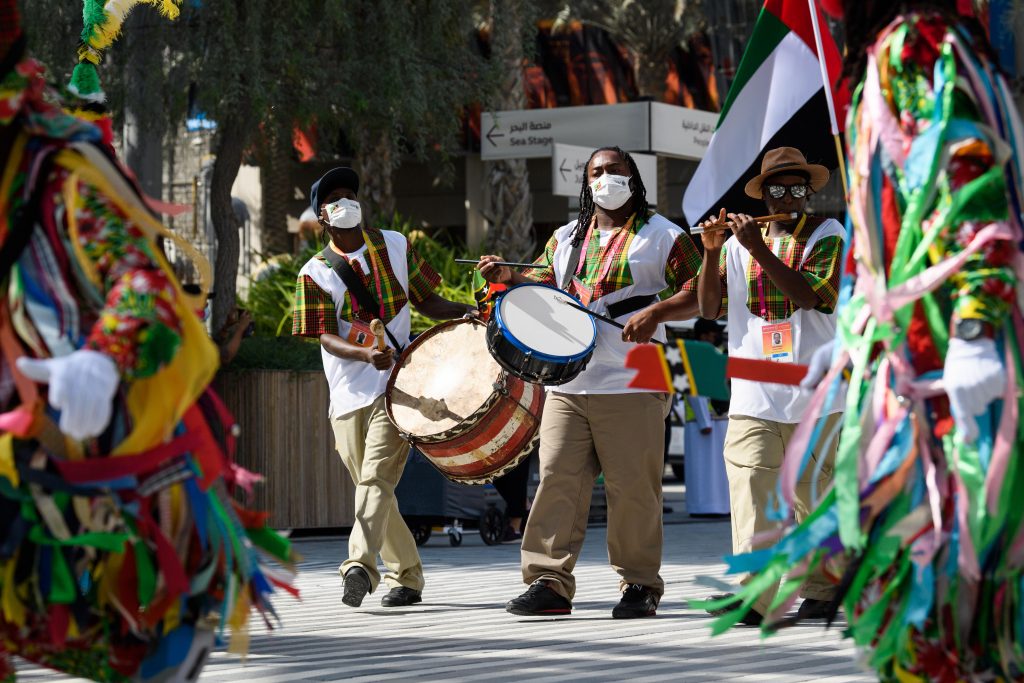
Saint Kitts and Nevis boasts a vibrant cultural tapestry that is woven with unique traditions and symbols. Music plays a central role in everyday life, with Calypso, Soca, and steelpan rhythms filling the air, especially during festive occasions. National wear reflects a blend of African and European influences, often featuring colourful fabrics and distinct designs. The national dish, “saltfish and dumplings,” is a culinary staple, showcasing the islands’ rich flavours.
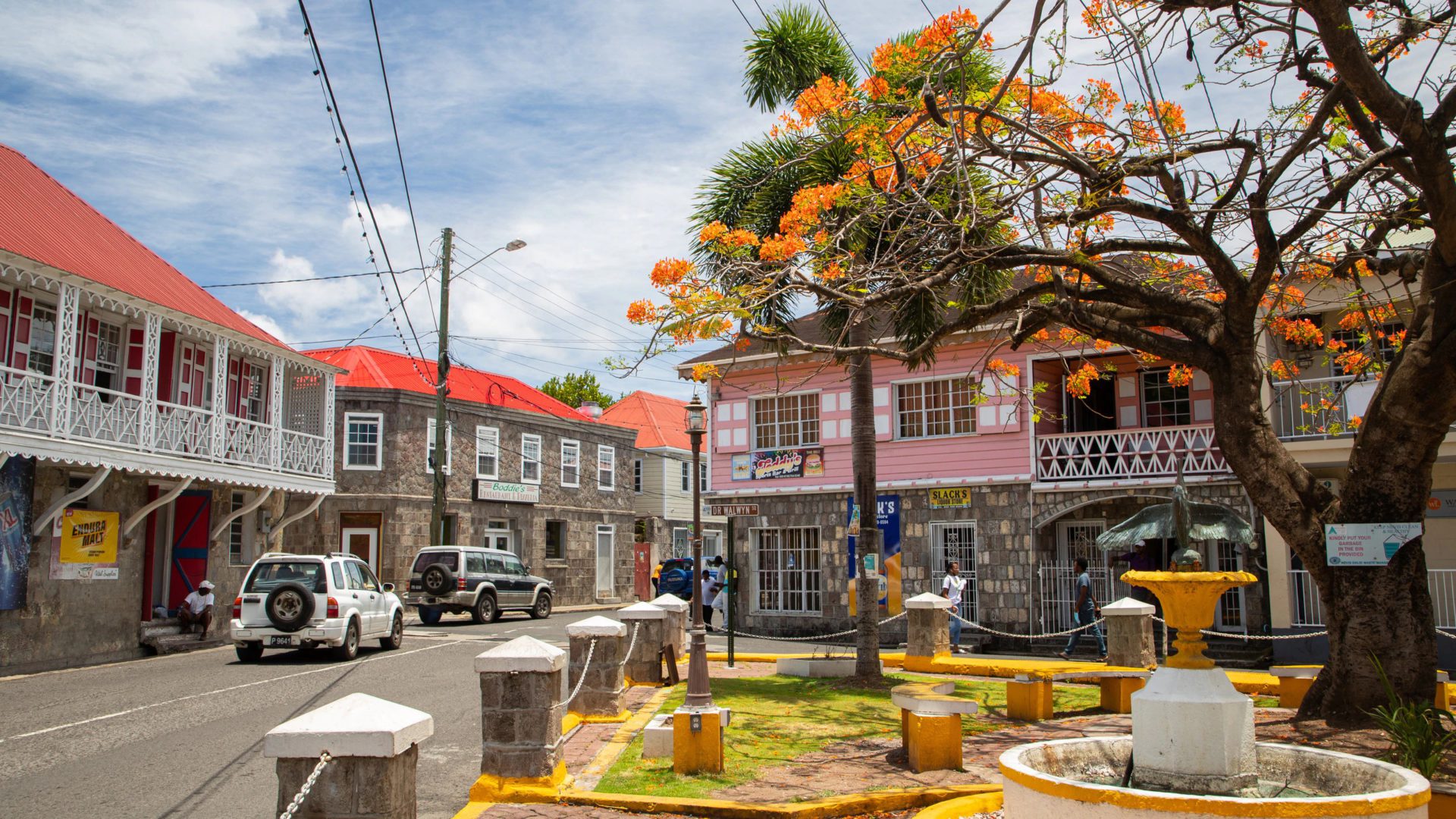
Festivals are a highlight of the cultural calendar, with the annual Carnival (“Sugar Mas”) and Culturama being major celebrations of music, dance, and masquerade. The nation’s symbols are deeply meaningful: the national flag, with its distinctive colours and emblems, represents the islands’ unity and heritage; the national flower, the Poinciana, adds a splash of vibrancy to the landscape; the national bird, the Brown Pelican, is a common sight along the picturesque coast.
Religion plays a significant role in the lives of many Kittitians and Nevisians, with Christianity being the predominant faith, and various denominations present throughout the islands.